Source adjustable weightlifting knee guard for Cross Training, Daily Using, Outdoor Sport
Find 30 options for the adjustable weightlifting knee guard designed for Cross Training, daily use, and outdoor sports. Buyers can compare neoprene and nylon models with customized logos, varying thickness levels, and MOQs ranging from 100 to 5000 pairs.
Key considerations
Products List
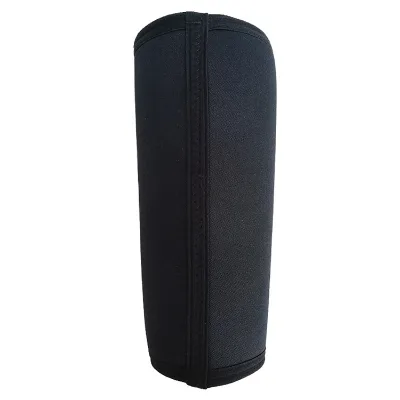


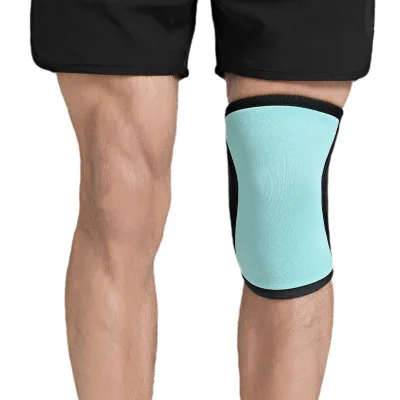

Comprehensive Sourcing Guide
Strategic Sourcing Guide for Adjustable Weightlifting Knee Guards
Understanding Product Definitions and Core Specifications
When sourcing an adjustable weightlifting knee guard, buyers must first distinguish between generic knee sleeves and specialized compression braces designed for heavy loading. The core keyword implies a product that offers both structural support and adaptability to various limb dimensions. Based on observed market data, these products are frequently categorized under "Sport Knee Protection" with specific sub-classifications ranging from "Advanced Protection" to "Basic Protection." The material composition is a primary differentiator; the supply chain currently features items constructed from neoprene, nylon, and rubber. Neoprene variants are often marketed for their thermal retention and compression capabilities, while nylon and rubber blends may offer different elasticity profiles suited for Cross Training or daily usage.
The physical dimensions of these guards are critical for fit and function. Available sizing typically spans from XS to 2XL, ensuring coverage for a wide demographic of adult users. The thickness of the material is another variable, with products categorized as "Thick" for heavy lifting or "Medium" for general fitness. A specific model observed in the market, identified by the code JLY-T5519, lists a single package size of 32x18x5 cm and a gross weight of 0.55 kg. In contrast, other models like JLY-T5548 or JLY-T7510 may have different packaging standards, such as 28x16x14 cm, which influences shipping logistics. Buyers should verify that the "Adjustable" aspect of the product name aligns with the actual design, as some listings describe "existing designs" while others explicitly offer "customized" designs. The application scope is broad, covering outdoor sports, fitness, and daily use, but the primary engineering intent remains focused on weightlifting and powerlifting scenarios.
Technical Attributes and Material Performance
The performance of an adjustable weightlifting knee guard is heavily dependent on its material properties and structural design. The observed market data indicates a mix of materials, each offering distinct benefits. Neoprene is a dominant material in this category, often cited for its ability to provide "Elasticity Breathable" characteristics while maintaining a "Thick" profile for joint stability. This material choice supports the "Advanced Protection" class often claimed for powerlifting applications. Conversely, nylon and rubber materials appear in listings associated with "Basic Protection" or "Health Care" features, suggesting a different use case, perhaps for rehabilitation or lighter resistance training.
Buyers must scrutinize the "Protection Class" claims. While some products are marketed as offering "Advanced Protection" suitable for heavy squats and deadlifts, others are labeled with "Basic Protection," which may be insufficient for high-intensity powerlifting. The design flexibility is another technical consideration. The supply chain supports both "existing design" and "customized" options, allowing buyers to tailor the product to specific ergonomic needs. Features such as "Customized Logo" and "Customized Color" are standard, but the structural integrity of the sleeve must remain the priority. The "Product Feature" of elasticity is crucial; a knee guard that lacks sufficient elasticity will fail to provide the necessary compression to improve blood flow and joint stability during dynamic movements.
Furthermore, the "Single gross weight" of 0.55 kg for a standard unit suggests a substantial material density, which is necessary for effective compression. However, buyers should verify if this weight includes packaging or is the net weight of the product alone. The "Thickness" attribute, described as "Thick" or "Medium," directly correlates with the level of support provided. A thicker sleeve generally offers more resistance to shear forces but may reduce range of motion. Therefore, the selection of thickness must align with the specific sport requirements, whether for competitive powerlifting or general gym use.
Cost Drivers and Minimum Order Quantities
The pricing structure for adjustable weightlifting knee guards is influenced by material costs, customization levels, and order volume. The observed listed price range in the market spans from 0.9 to 20 USD per unit. This wide variance indicates significant differences in product quality, material grade, and branding. Lower-priced items in the 0.9 to 5 USD range often correspond to basic nylon or rubber constructions with minimal customization, while the higher end of the spectrum likely reflects premium neoprene materials, advanced compression engineering, and custom branding services.
Minimum Order Quantity (MOQ) is a critical financial constraint for buyers. The market data reveals an MOQ range from 10 to 5000 pairs. A specific model, JLY-T5503, lists an MOQ of 100 PCS, which is suitable for small businesses or testing new product lines. In contrast, other listings indicate an MOQ of 500 pairs, which is more typical for established retailers or distributors seeking economies of scale. The high-end MOQ of 5000 pairs suggests that bulk manufacturing is optimized for large-volume contracts, potentially lowering the unit cost but increasing the initial capital requirement.
Buyers must calculate the total landed cost, which includes the unit price, shipping, and any tariffs. The "Single package size" of 32x18x5 cm or 28x16x14 cm affects volumetric weight, a key factor in freight costs. Additionally, the "Customized Packing" option, which may involve color boxes or specific OPP bag configurations, adds to the unit cost. The "Sample time" of 3-7 days allows for rapid prototyping, but buyers should factor in the time required for shipping samples before committing to a full order. Understanding these cost drivers helps in negotiating better terms and selecting a supplier that aligns with the buyer's budget and volume requirements.
Compliance, Certification, and Safety Verification
In the realm of sports equipment, compliance and safety are paramount, yet the available data presents a complex landscape regarding certifications. While the product listings mention "Health Care" features and "Advanced Protection," there is no explicit confirmation of specific third-party certifications for the majority of items. A low-confidence background note references OEKO-TEX, a standard often associated with textile safety, but this should not be treated as a confirmed attribute for all listed products. Buyers must not assume that a product is OEKO-TEX certified simply because the keyword appears in background notes; instead, they must request valid certification documents from the supplier.
The "Company Type" is listed as "Factory," which implies a direct manufacturing relationship, potentially offering better control over quality and compliance. However, buyers should verify if the factory holds ISO certifications or other relevant quality management system accreditations. The "Product Standard" is mentioned in the context of packaging dimensions (28x16*14cm), but this does not equate to a safety standard for the knee guard itself. Buyers need to establish clear quality benchmarks regarding material safety, specifically ensuring that neoprene, nylon, or rubber used does not contain harmful substances like azo dyes or heavy metals.
Verification of the "Protection Class" is also essential. If a supplier claims "Advanced Protection," the buyer should ask for test results or data supporting this claim, such as compression force measurements or durability tests under load. The "Age Group" is specified as "Adults," which implies the product is not designed for pediatric use, but this does not guarantee safety for all adult body types. Buyers should ensure that the "Adjustable" mechanism, if present, does not create pinch points or pressure points that could cause injury. Ultimately, the absence of explicit certification data in the provided facts means that due diligence is the buyer's responsibility to confirm that the product meets the safety standards of their target market.
Supplier Evaluation and Customization Capabilities
Evaluating a supplier for adjustable weightlifting knee guards requires a focus on their customization capabilities and production flexibility. The market data confirms that "Customization" is available, with options for "Customized Logo," "Customized Color," and "Customized Packing." This flexibility is a significant advantage for brands looking to differentiate their products. The "Design" attribute allows for both "existing design" and "customized" options, giving buyers the choice to either adopt a proven model or develop a unique product. The "OEM" (Original Equipment Manufacturer) service is explicitly accepted, indicating that suppliers are equipped to handle private label production.
When evaluating suppliers, buyers should assess their response to the "Sample time" of 3-7 days. A short sample turnaround indicates an agile production line, which is beneficial for quick market testing. However, buyers must also consider the "Lead time" for bulk orders, which is not explicitly provided in the data but is a critical factor in supply chain planning. The "Place of Origin" is consistently listed as China, with specific mentions of Jiangsu, suggesting a concentration of manufacturing in this region. Buyers should verify the specific factory location to ensure it aligns with their logistical preferences and to assess any regional risks.
The "Product Name" variations, such as "Powerlifting compression knee sleeve" or "Low Price Gym Compression Knee Support," indicate that suppliers may market the same product under different names. Buyers should ensure that the specific model number, such as JLY-T5519 or JLY-T5503, corresponds to the exact specifications they require. The "Gender" is listed as "Unisex," which simplifies sizing but requires clear communication on how the product fits different body types. A robust supplier will provide detailed size charts and fit guides to minimize returns and ensure customer satisfaction.
Quality Control and Long-Term Procurement Strategy
Implementing a rigorous quality control (QC) process is essential for sourcing adjustable weightlifting knee guards. Given the variation in materials (neoprene, nylon, rubber) and protection classes (Advanced vs. Basic), buyers must define clear acceptance criteria before production begins. QC checks should focus on material consistency, stitching integrity, and the functionality of the "Adjustable" features. The "Single gross weight" of 0.55 kg serves as a baseline for weight verification, but buyers should also inspect the "Thickness" to ensure it matches the "Thick" or "Medium" specifications claimed.
For long-term procurement, building a relationship with a "Factory" type supplier is advantageous. Direct factory relationships often lead to better pricing, more consistent quality, and greater flexibility in customization. Buyers should consider the "Package Type," which ranges from "One OPP Bag" to "Color Box," and decide which packaging best suits their retail strategy. The "Selling Units" are listed as "Single item," which simplifies inventory management but requires careful planning for bulk shipping.
Buyers should also plan for the "Sample time" of 3-7 days as part of their product development cycle. This allows for iterative testing and refinement before committing to large orders. The "MOQ" range of 10 to 5000 pairs offers flexibility, but buyers should aim to negotiate MOQs that balance risk and volume. For new entrants, starting with a lower MOQ like 100 PCS allows for market validation. As demand grows, increasing the order volume to 500 or 5000 pairs can unlock better unit economics.
Finally, buyers must remain vigilant about the "Product Feature" of elasticity and breathability. These attributes are critical for user comfort and performance. Regular audits of the production line and random sampling of finished goods will help maintain quality standards. By combining technical verification, supplier evaluation, and strategic planning, buyers can successfully source high-quality adjustable weightlifting knee guards that meet the demands of the fitness and powerlifting markets.
FAQs
What materials are used for adjustable weightlifting knee guards?
These guards are constructed from neoprene, nylon, or rubber depending on the specific model. Neoprene variants offer advanced protection and elasticity, while nylon and rubber options provide basic protection suitable for cross training or daily use.
How can I customize the logo and color of the knee sleeve?
Customized logos and colors are available for most products in this category. Buyers can request specific branding and color schemes to match their brand identity, provided they meet the minimum order quantity requirements set by the factory.
What is the minimum order quantity for purchasing these knee braces?
The minimum order quantity ranges from 100 pieces to 5000 pairs depending on the supplier and model. Specific models like JLY-T5503 require 100 pieces, while others may require 500 pairs or more for bulk pricing.
Can I get a sample before placing a large order?
Yes, samples are available with a lead time of 3 to 7 days. This allows buyers to verify the thickness, elasticity, and fit of the neoprene or nylon material before committing to a larger production run.
Which protection class is suitable for powerlifting applications?
Advanced Protection class items are suitable for powerlifting and heavy weightlifting scenarios. These thick neoprene sleeves provide the necessary compression and stability, whereas basic protection models are better suited for general fitness or daily use.
Where are these adjustable knee guards manufactured?
These products are manufactured in China, with specific factories located in Jiangsu. Buyers can expect direct factory sourcing for these items, which often allows for better customization options and competitive pricing on bulk orders.
What packaging options are available for the knee support products?
Packaging options include OPP bags, color boxes, or customized packing solutions. The single package size typically measures around 32x18x5 cm, though some models may vary, and buyers can request specific packaging to suit their logistics needs.